
Vitamin D is often called the “sunshine vitamin,” yet many of us don’t get enough. In the UK, long winters, indoor lifestyles, and dietary gaps mean that signs of low vitamin D are surprisingly common. What makes this tricky is that the symptoms of vitamin D deficiency can be subtle, overlapping with other conditions, or sometimes even absent.
So how do you know if your levels are too low? Let’s explore 14 evidence-backed indicators of insufficiency, who’s most at risk, and what you can do about it.
Why Vitamin D Matters
Vitamin D plays a role in more than just bones. It contributes to:
- Calcium absorption for strong teeth and skeleton
- Immune regulation to fight infections
- Muscle strength and balance
- Mood stability and sleep quality
A chronic deficiency of vitamin D can progress into vitamin D deficiency disease — such as rickets in children, or osteoporosis in adults — but long before that, milder symptoms can affect how we feel day to day.
14 Signs of Vitamin D Deficiency
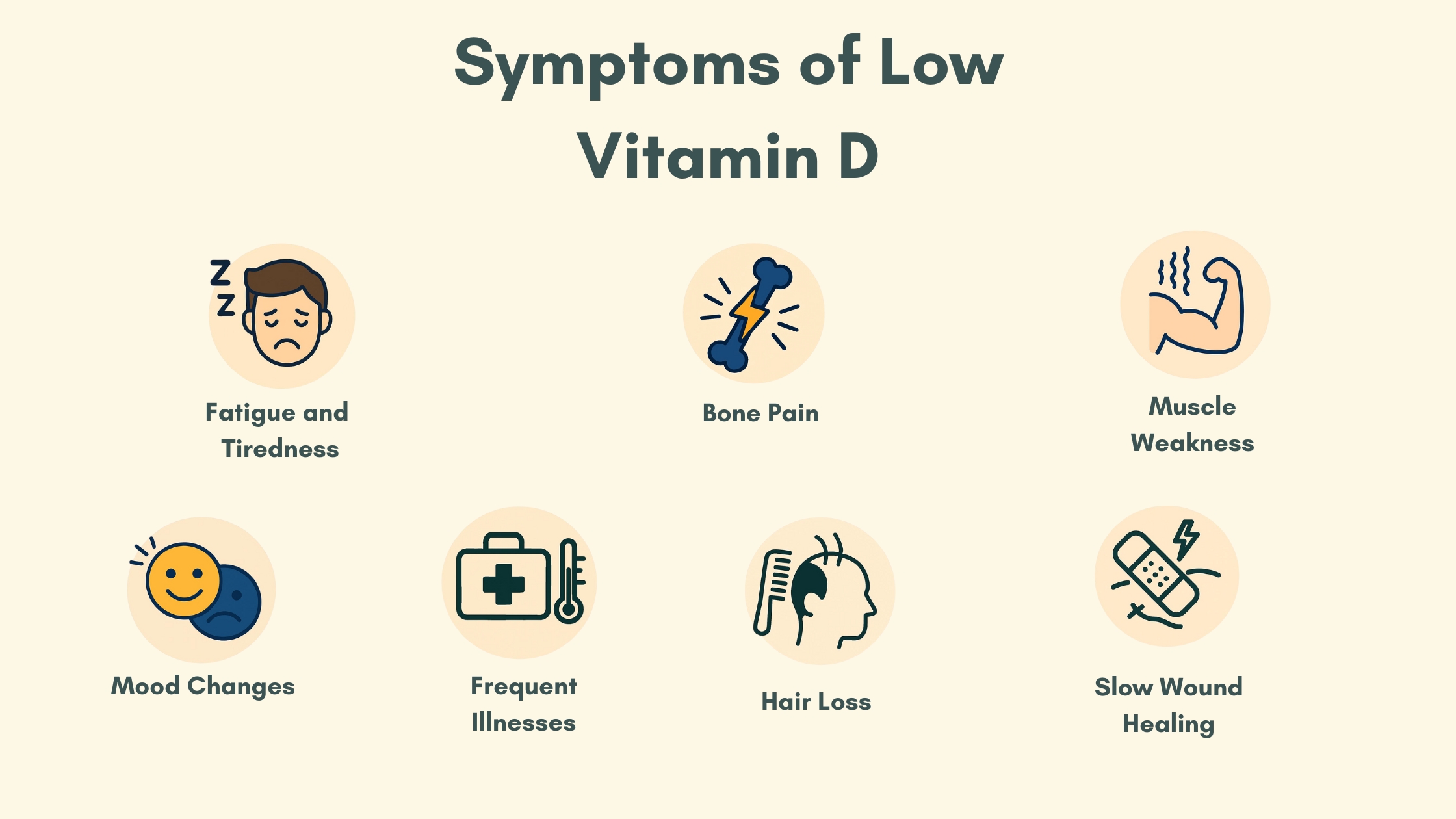
1. Frequent colds and infections
A weak immune system is one of the better studied symptoms of vitamin D deficiency. Vitamin D helps regulate white blood cells that protect us from pathogens. In fact, repeated respiratory infections are often reported among those with low vitamin D levels .
2. Tiredness and low energy
Many people dismiss fatigue as stress or overwork, but deficiency of vitamin D symptoms often include persistent tiredness. This is thought to relate to the vitamin’s role in energy metabolism at the cellular level.
3. Muscle weakness and aches
Vitamin D is essential for muscle fibre contraction. A lack of vitamin D symptoms may present as unexplained muscle weakness, sometimes severe enough to affect walking in older adults .
4. Bone and joint pain
A shortage of vitamin D reduces calcium absorption, leaving bones vulnerable. Aching in the back or hips is a typical symptom of deficiency of vit D. Over time, chronic low levels can contribute to vitamin D deficiency disease symptoms like osteoporosis.
5. Slow wound healing
If cuts or scrapes linger longer than expected, low vitamin D could play a part. Studies suggest impaired healing is one of the symptoms of VD deficiency due to vitamin D’s involvement in tissue repair.
6. Hair loss or thinning
While multifactorial, severe and persistent hair shedding has been linked with shortage of vitamin D symptoms, particularly in women.
7. Low mood and irritability
Vitamin D receptors are found in brain regions linked to mood. Unsurprisingly, symptoms vitamin D is low can include sadness, irritability, or reduced motivation. Meta-analyses show supplementation with EPA/DHA omega-3s and vitamin D can support mood .
8. Poor sleep quality
Disrupted circadian rhythms have been associated with d vitamin deficiency effects. Insomnia, light sleep, or difficulty staying asleep may be related to low levels.
9. Back pain
Many with vitamin D deficiency disease symptoms complain of persistent lower back pain. This can relate to bone softening (osteomalacia) caused by prolonged deficiency.
10. Balance problems or falls
Older adults with vit D deficiency symptoms are at higher risk of falls, partly due to weaker muscles and bones. This is one reason supplementation is widely advised in care homes.
11. Excessive head sweating
Unusual but documented, unexplained scalp sweating is sometimes highlighted as one of the early symptoms of low vitamin D.
12. Fragile teeth and dental issues
Low levels during childhood can affect enamel formation, and in adults may contribute to gum problems. These are classic vitamin D deficiency disease symptoms.
13. Weak bones and fractures
Long-term deficiency vitamin can lead to osteopenia and osteoporosis. In children, severe deficiency causes rickets, a disease for vitamin D deficiency.
14. Compromised growth in children
Vitamin D works with vitamin A for development, meaning vitamin A and D deficiency symptoms in young children can overlap, including delayed growth or skeletal deformities.
Why Is Vitamin D Important?
Vitamin D is essential for several reasons. First, it helps your body absorb calcium, which is necessary for strong bones and teeth. Secondly, it supports the immune system, helping your body fight off infections. Finally, Vitamin D is important for muscle function and overall health.
Who Is Most at Risk?
Certain groups are more prone to insufficiency vitamin D symptoms:
- Those with darker skin (less UV absorption)
- People who cover their skin or rarely go outdoors
- Vegans and vegetarians who avoid oily fish and fortified dairy
- The elderly, whose skin produces less vitamin D
- Anyone living in the UK during autumn and winter
How Can I Increase My Vitamin D Levels?
There are several ways to boost your vitamin D levels:
- Sunlight Exposure: Spend time outdoors in the sun, especially during midday when the sun is strongest. Aim for about 15-30 minutes several times a week, depending on your skin type and where you live.
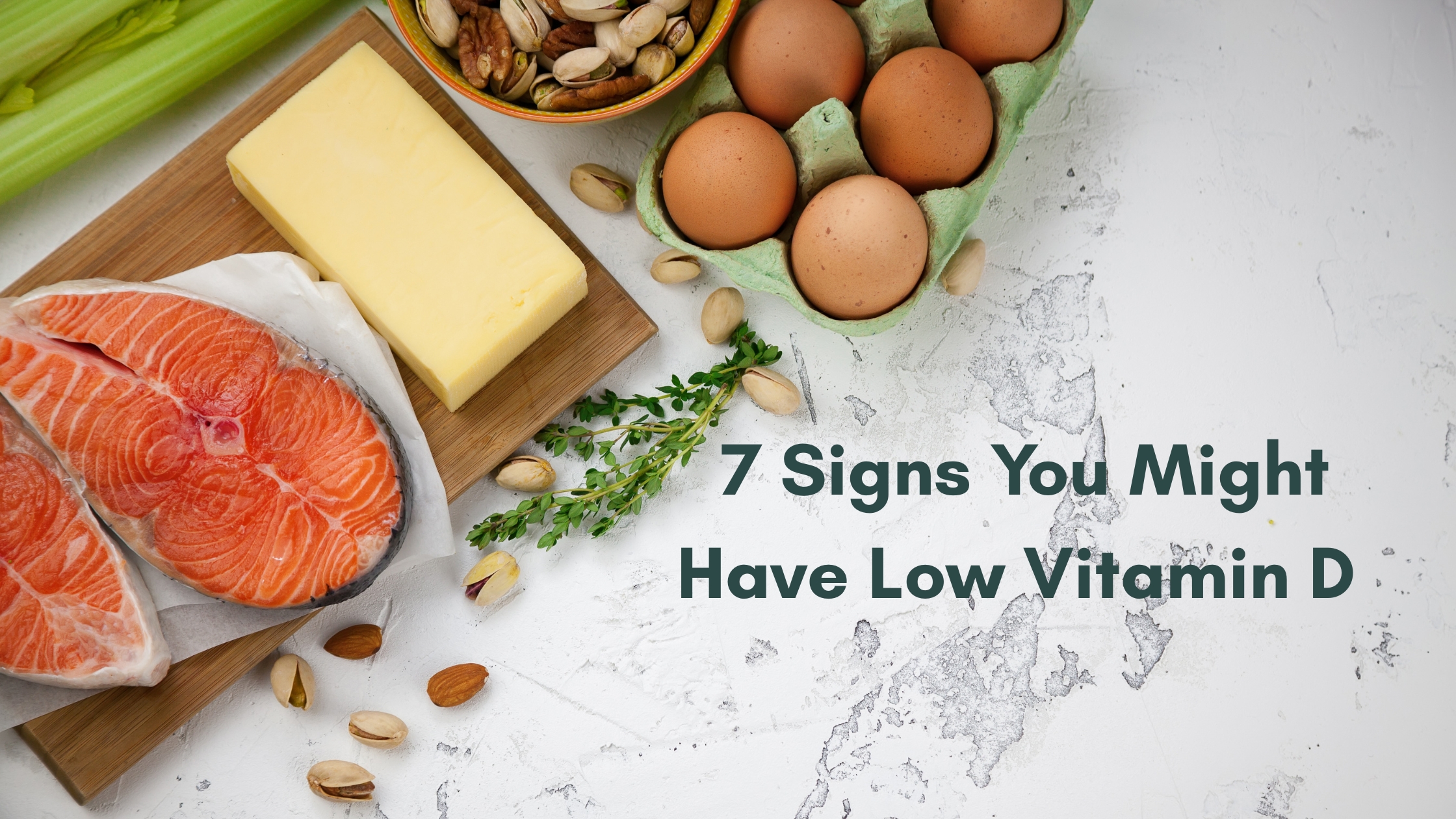
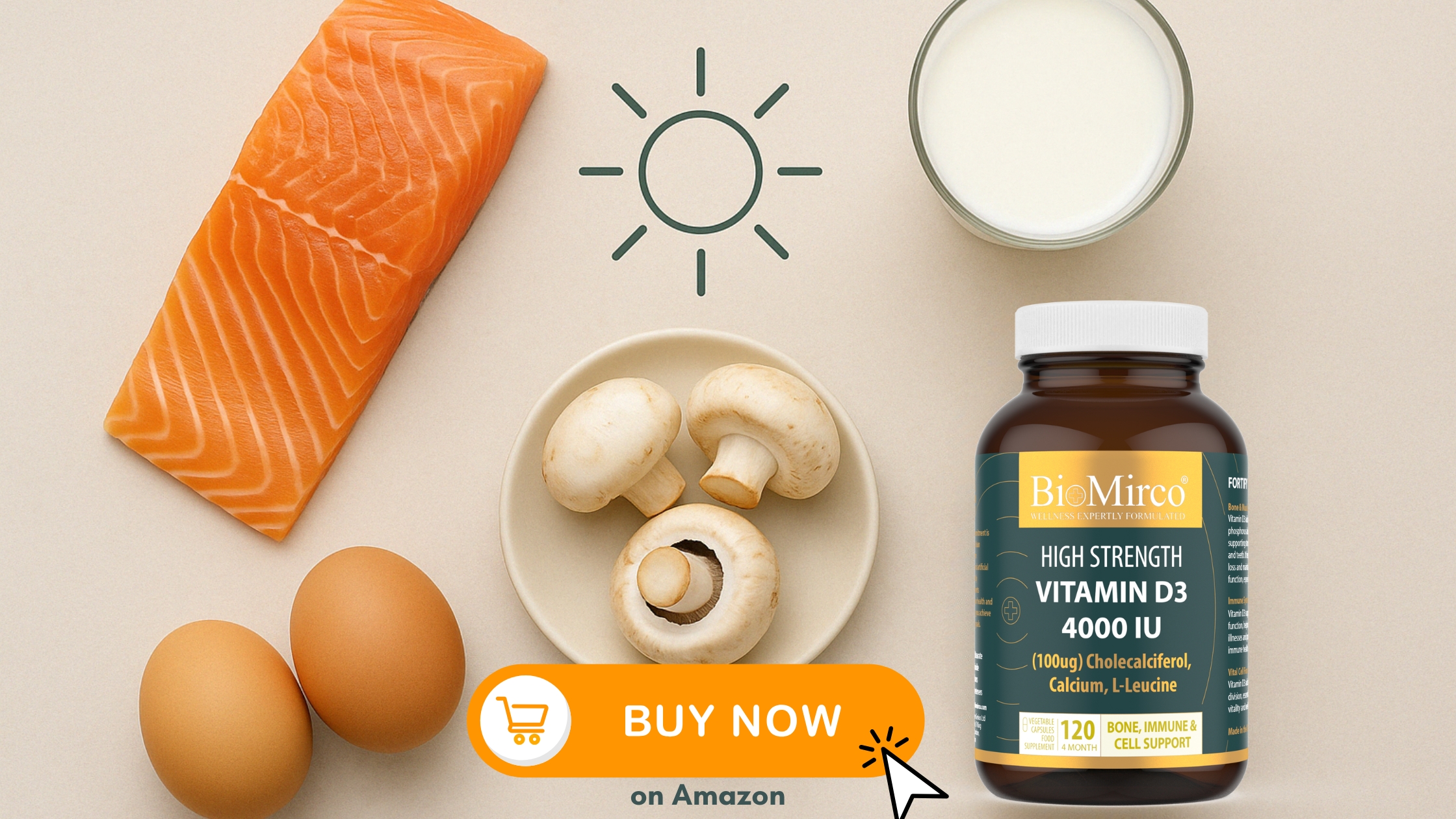
- Diet: Include more Vitamin D-rich foods in your diet. Foods like fatty fish (salmon, mackerel), fortified dairy products, and eggs are excellent sources.
- Supplements: If you’re unable to get enough Vitamin D through sunlight and diet, supplements might be necessary.
Recommended Product: High Strength Vitamin D 4000iu
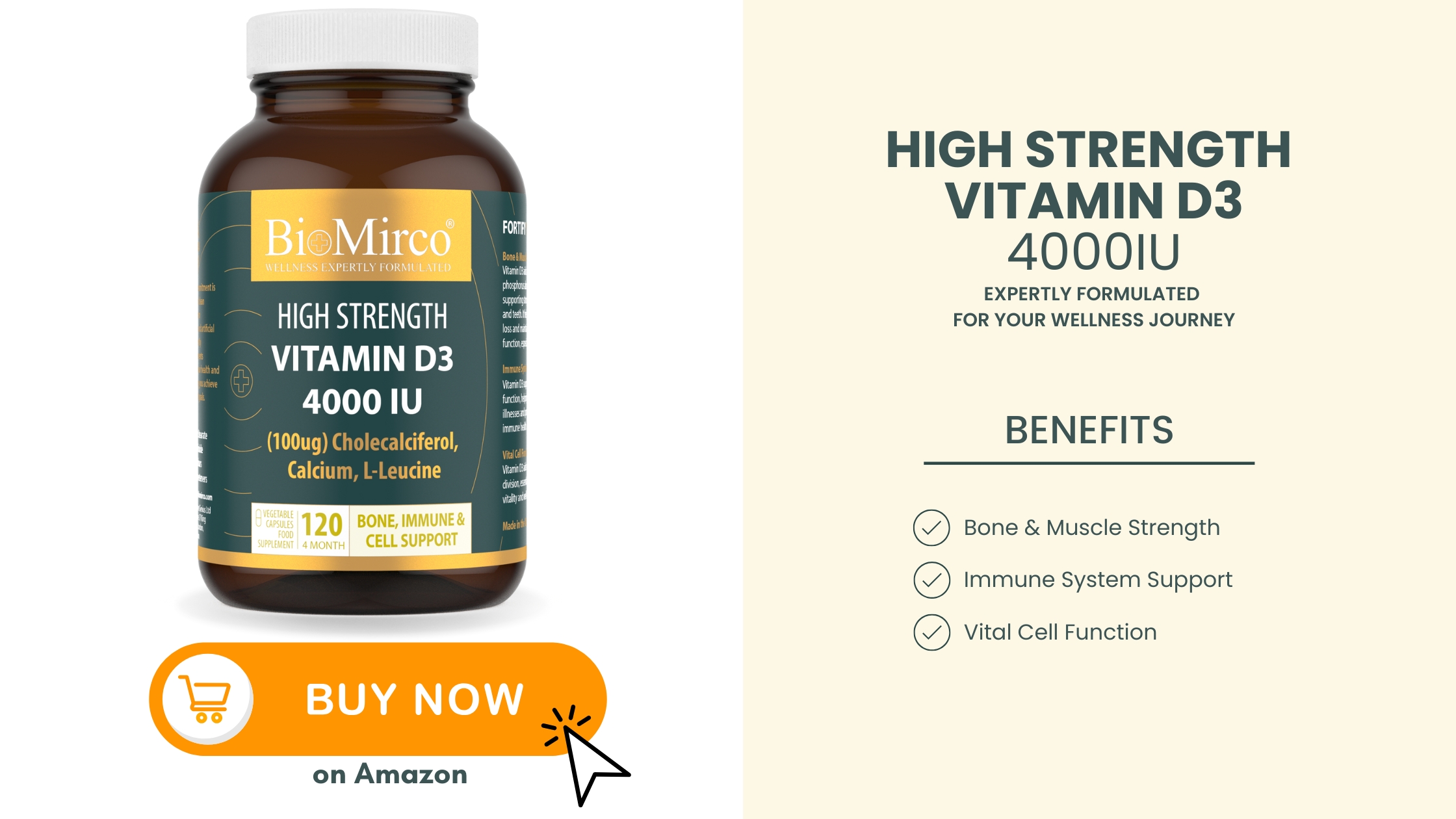
If you’re looking for a reliable Vitamin D supplement, consider High Strength Vitamin D 4000iu capsules. Each capsule contains 4000 IU of Vitamin D3, supporting your immunity, bones, and overall energy levels.
- What’s Great About This Product?
- It includes calcium to help strengthen your bones.
- Each bottle contains 120 premium capsules, ensuring a long-lasting supply.
- Made in the UK, it meets high-quality standards.
By incorporating this supplement into your daily routine, you can help ensure that your body gets the Vitamin D it needs.
What is the Recommended Daily Intake of Vitamin D?
The recommended daily intake of Vitamin D varies by age and individual needs, but generally, adults should aim for the minimum of 600-800 IU per day. However, some people may need higher doses, especially if they have low levels or specific health issues. Always consult with a healthcare provider to determine the right amount for you.
Typical adult range: 400–4000 IU (10–100 µg) daily
Upper safe level (UL): 4000 IU per day
Quality matters: choose supplements tested for purity and contaminants, like BioMirco’s formula, manufactured to high UK standards.
Can I Get Enough Vitamin D from Sunlight?
Yes, you can get enough Vitamin D from sunlight, but several factors affect how much your body produces, including:
- Time of Year: In winter, especially in northern latitudes, the sun’s angle makes it harder to produce Vitamin D.
- Skin Type: If you have fairer skin, then you are able to produce Vitamin D easier than darker skin.
- Sunscreen Use: While sunscreen protects your skin from harmful UV rays, it can also reduce Vitamin D production.
Should I Take Vitamin D Supplements?
Taking Vitamin D supplements can be a good idea, especially if you have risk factors for deficiency or live in areas with limited sunlight. They are an easy and effective way to ensure you get enough of this vital nutrient.
What is the Difference Between Vitamin D2 and D3?
Vitamin D2 (ergocalciferol) is derived from yeast or fungi, while Vitamin D3 (cholecalciferol) comes from animal sources, like fish liver oil. Studies show that D3 is more effective at raising blood levels of Vitamin D, making it the preferred choice for supplementation.
Vitamin D is crucial for your health, and recognising the symptoms of low Vitamin D can help you take action before it leads to more significant health issues. By being aware of signs like fatigue, bone pain, and mood changes, you can seek help and improve your Vitamin D levels.
Consider incorporating the High Strength Vitamin D 4000iu capsules into your health routine. With its potent dose and added calcium, it can support your immune system, bone health, and overall well-being. Don’t let low Vitamin D hold you back—take the steps needed to feel your best!
Ready to Boost Your Vitamin D Levels?
Don’t wait to enhance your health! Explore our range of high-quality Vitamin D supplements to support your immune system, improve bone health, and elevate your mood. Click here to shop now and take the first step towards a healthier you!
Safety Notes
- Avoid exceeding 4000 IU unless advised by a professional.
- Contraindicated for people with high blood calcium (hypercalcaemia) or certain kidney conditions.
- Store supplements away from heat and moisture to maintain potency.
Final Thoughts
Not everyone with low vitamin D will notice clear symptoms of vitamin D deficiency. Some may have no vitamin D symptoms at all until blood tests reveal insufficiency. But given how common deficiency is in the UK, and how wide-ranging its effects — from fatigue to weakened bones — optimising levels is a worthwhile step for nearly everyone.
Alongside nourishing foods, a daily supplement such as BioMirco’s High Strength Vitamin D 4000IU can be a safe, effective, and convenient way to support your health year-round.
References
- Ruani A, Reiss M, Kalea AZ. Diet-Nutrition Information Seeking, Source Trustworthiness, and Eating Behavior Changes. Nutrients. 2023. “Higher quality sources had a greater influence on modifying eating behaviour.”
- Ruani A, Reiss M. Susceptibility to COVID-19 Nutrition Misinformation and Eating Behaviour Change. Nutrients. 2023. “Widespread misinformation about food, eating, and health practices…”
- The Health Sciences Academy (Ruani A). Bridging the Gut-Brain Connection: Nutritional Psychiatry. THSA Slide Deck, 2025. Evidence for omega-3 and vitamin D supporting mood and sleep.
Please Note:
The information provided in this article is for educational purposes only and is not intended as medical advice. Always consult with a healthcare professional before starting any new supplement, especially if you are pregnant, breastfeeding, have existing health conditions, or are taking medication. Individual results may vary, and it is important to discuss any concerns or questions about your health with a qualified medical provider.